Welcome

Passionately curious about Data, Databases and Systems Complexity. Data is ubiquitous, the database universe is dichotomous (structured and unstructured), expanding and complex. Find my Database Research at SQLToolkit.co.uk . Microsoft Data Platform MVP

"The important thing is not to stop questioning. Curiosity has its own reason for existing" Einstein


Monday, 31 August 2020

Data Governance Roles

To enable data governance programs to be successful it is important to establish the key roles and define the responsibilities within those. 


Chief Data Officer - a corporate officer responsible for enterprise-wide governance and utilization of information as an asset, via data processing, analysis, data mining, information trading and other means. Wikipedia


Data Stewards - this label describes accountability and responsibility for data and processes  to control the use of data assets. There are varying types of Stewards: 

Enterprise data stewards- oversite of the data domain across business functions

Business data stewards - those who are subject matter experts

Technical data stewards - database administrators, BI specialists , data quality administrators 

It is necessary the every data set has a data owner. A person responsible for the decision regarding the data. They normal are a business data steward. 

Then often there is a data governance steering committee to manage the progress and invoke innovation. 

Saturday, 22 August 2020

Data Governance

Data Governance plays a key role in ensuring data is managed. Data Governance as defined by DAMA is 

"the exercise of authority and control (planning, monitoring, and enforcement) over the management of data assets. "

The successful management of data requires a program that includes:


Strategy

Policy

Standards and quality

Oversight

Compliance

Issue management

Data management projects for improvement

Data Asset Valuation


The goals of data governance are to bring about a sustainable program of work that is embedded in the day to day management of data. Together this should be measured to ensure improvements can be demonstrated and show positive financial impact.

Azure has Governance features and services to explore. 


Wednesday, 12 August 2020

SQLBits 2020 goes Virtual

Very excited to here about the change of event from a face to face event to a virtual event. I don't think a year would be complete without SQLBits. With so many virtual tech conferences this year there is so much choice. My number 1 choice is always SQLBits. I have attended and helped at every event since inception. Further information and how to book your tickets: http://sqlbits.com . The event is running 29th September - 3rd October 2020


Sunday, 26 July 2020

AI Barometer


The CDEI has published its AI Barometer, a major analysis of the most pressing opportunities, risks, and governance challenges associated with AI and data use in the UK, initially across five sectors (including Criminal Justice, Financial Services, Health & Social Care, Digital & Social Media and Energy & Utilities).

The key findings

  • The AI Barometer highlights the potential for AI and data-driven technology to address society’s greatest challenges
  • Some opportunities are easier to realise than others
  • Harder to achieve’ innovations, in contrast, involve the use of AI and data in high stakes domains that often require difficult trade-offs
  • Several barriers stand in the way of addressing risks and maximising the benefits of AI and data
  • Three types of barrier merit close attention: low data quality and availability; a lack of coordinated policy and practice; and a lack of transparency around AI and data use.


Thursday, 23 July 2020

Azure Data Catalog

 What is a data catalog? Gartner define this as

“A data catalog maintains an inventory of data assets through the discovery, description, and organization of datasets. The catalog provides context to enable data analysts, data scientists, data stewards, and other data consumers to find and understand a relevant dataset for the purpose of extracting business value.”

Data Catalogs are the New Black in Data Management and Analytics (Gartner, 2018)

A data catalog is important to have to record those critical assets that bring value to data. It becomes a library full of core information about your data sources. It can contain a data dictionary and can provide basic statistics about the data. This is a really useful feature being able to explore the data.

Azure Data Catalog documentation is here and the service here

  • Users can discover the data sources they need and understand the data sources they find. At the same time, Data Catalog help organizations get more value from their existing investments.
  • They are inventories of data in the organization
  • Data catalogs are a standard for metadata management in the age of big data and advanced analytics
  • Adding tags to data sets enable a business glossary of terms to be applied to the data


Thursday, 2 July 2020

Microsoft MVP for a third year

During such a life changing time, I am over the moon with joy to be honoured with my third Microsoft Most Valuable Professional (MVP) award in recognition of exceptional technical community leadership for Data Platform for 2020-2021. How amazing to receive this. Thank you @MVPAward #MVPBuzz . There are so many amazing MVP's who help the community improve and grow their data platform knowledge. I am passionate about helping share the knowledge and experience I have gained.

This has been a strange period with many events cancelled and turned into virtual events. As an organizer of  Data Relay this year we cancelled our event to make way for SQLBits to move into the only viable slot this year. As things are still ongoing I think it is unlikely any in person conferences will continue this year.  However there are some amazing free online events to attend. My thoughts have been on helping and supporting the local community as well as the data community. 

Friday, 19 June 2020

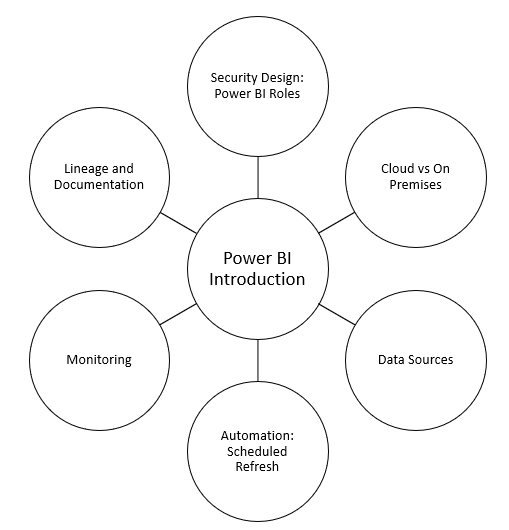
Introduction of Power BI

More and more people are using Power BI in their everyday roles. Understanding the different deployment types and basics of the product helps with the adoption of self service data and digital migration. Not every organization has the appetite or capability to use Power BI in the cloud.  The cloud and on premises capabilities do have some differences but it is a great place to engage with dashboards and paginated reports.  The presentations I have given covered these areas.